
Creating a relaxing home workspace is essential for maintaining productivity and well-being, especially when working remotely. A thoughtfully designed environment can reduce stress, improve concentration, and make your work hours more enjoyable. In this post, we explore practical tips to help you create a comfortable and productive home office space.
Why a Relaxing Workspace Matters
Working from home offers flexibility but also presents distractions and challenges. Your workspace influences how motivated and focused you feel throughout the day. A relaxing setup promotes mental clarity and reduces fatigue, helping you stay on track with tasks and deadlines.
Choose the Right Location
Find a Quiet Spot
Select a space with minimal noise and interruptions. It might be a spare room, a corner in your living room, or even a nook near a window. Quiet surroundings help you concentrate and prevent stress caused by frequent disruptions.
Natural Light is Key
Position your desk near a window to take advantage of natural light. Sunlight boosts mood and reduces eye strain. If natural light is limited, invest in quality lighting that mimics daylight to keep the space bright and welcoming.
Invest in Comfortable Furniture
Ergonomic Chair and Desk
Your chair and desk should support good posture. An ergonomic chair with adjustable height and lumbar support prevents back pain. Choose a desk that fits your space and allows you to work comfortably without hunching over.
Keep Essentials Within Reach
Organize your desk so frequently used items — like pens, notebooks, or your computer mouse — are easy to access. This reduces frustration and keeps the workflow smooth.
Personalize Your Space for Calmness
Use Soothing Colors
Soft, neutral colors like light blue, green, or beige create a peaceful atmosphere. Avoid overly bright or intense hues which can be distracting. You can incorporate color through wall paint, rugs, or accessories.
Add Plants
Plants not only improve air quality but also bring a sense of calm and nature indoors. Small potted plants or succulents are easy to care for and brighten up your workspace.
Keep Clutter to a Minimum
A tidy space reduces stress and enhances focus. Use shelves, storage boxes, or drawers to keep papers and supplies organized. Try to declutter your desk at the end of each day.
Enhance Productivity with Smart Accessories
Use Noise-Canceling Headphones
If your environment has background noise, noise-canceling headphones help you stay focused. Listen to soft music or white noise if it helps you concentrate better.
Incorporate a Planner or Calendar
Visual planners or calendars keep track of appointments, deadlines, and daily tasks. This organization tool helps prevent feeling overwhelmed and improves time management.
Have a Quality Monitor Setup
If you spend many hours in front of screens, consider a larger monitor or even a dual-monitor setup. This can reduce eye strain and increase efficiency when multitasking.
Create Healthy Boundaries
Define Work Hours
Set clear working hours and communicate them with family or roommates. This helps minimize interruptions and maintains a healthy balance between work and personal life.
Take Breaks and Move
Schedule regular breaks to stretch, walk around, or practice breathing exercises. Short pauses refresh your mind, reduce fatigue, and improve overall productivity.
Final Thoughts
Designing a relaxing home workspace isn’t just about aesthetics; it’s about creating an environment that supports your productivity and well-being. By selecting the right location, investing in ergonomic furniture, personalizing your space, and incorporating smart accessories, you can build a workspace that helps you stay focused and motivated. Remember, a calm and organized environment encourages better work habits and a more enjoyable workday.
Related Posts
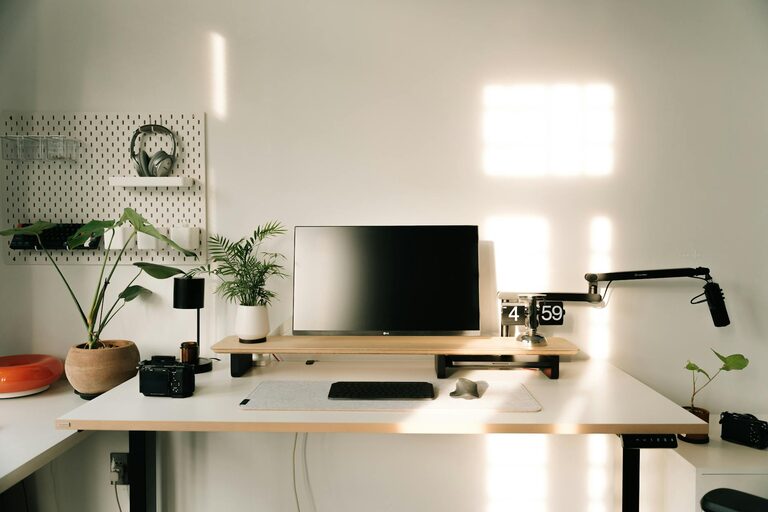
Simple Tips for Creating a Productive Home Office Environment
Working from home has become a common part of many…
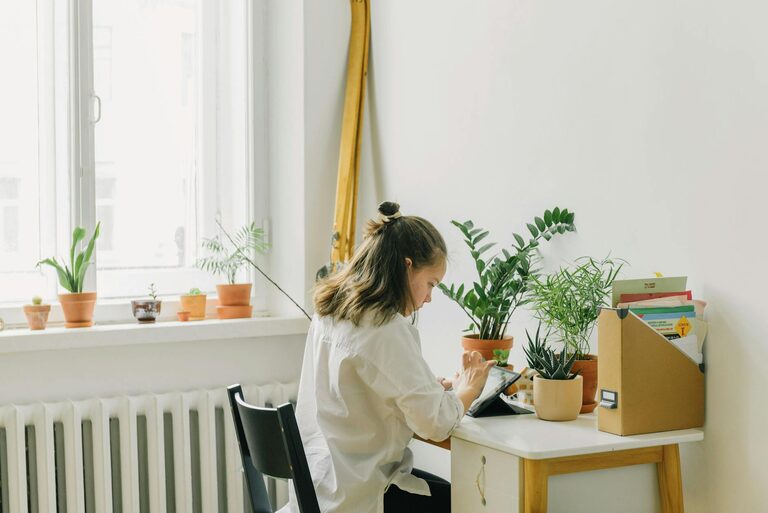
Tips for Creating a Relaxing Home Workspace That Boosts Productivity
Creating a home workspace that is both relaxing and productive…
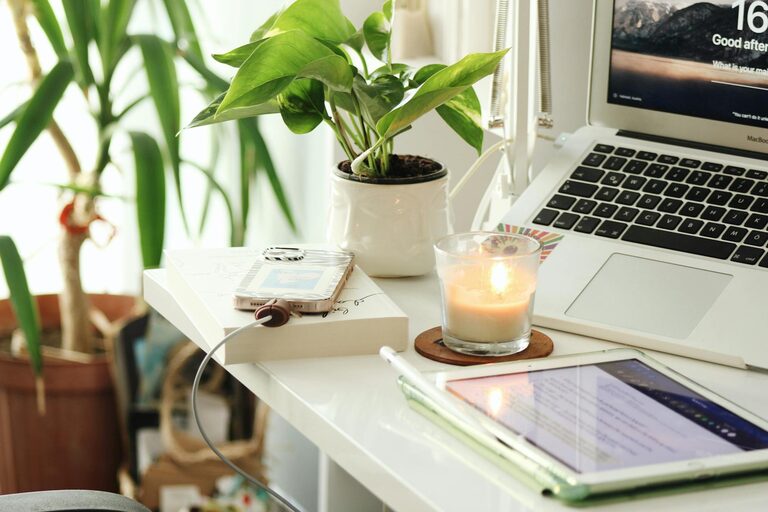
Tips for Creating a Cozy and Productive Home Office Space
Creating a home office that is both cozy and productive…