
Working from home has become a common part of many people’s lives. Having a dedicated, well-organized workspace can make a big difference in how productive and comfortable you feel throughout your workday. If you’re looking to create a home office that inspires focus and efficiency, here are some simple yet effective tips to help you get started.
1. Choose the Right Space
The foundation of a productive home office is choosing the right spot. Whether you have a spare room or just a corner of your living area, pick a location that suits your work style.
– Quiet and Private: Ideally, select a space away from daily household distractions.
– Natural Light: A spot near a window not only brightens your room but can improve your mood.
– Comfortable Size: Ensure there’s enough room for your desk, chair, and needed equipment without feeling cramped.
2. Invest in Ergonomic Furniture
Comfort is key to staying focused and avoiding fatigue. Ergonomic furniture supports better posture and reduces strain during long hours.
– Chair: Choose an adjustable, supportive office chair with good lumbar support.
– Desk: Pick a desk at a height where your forearms are parallel to the floor when typing.
– Monitor Setup: Position your computer screen at eye level to prevent neck strain.
Even small changes, like using a footrest or ergonomic keyboard, can enhance comfort over time.
3. Keep Your Workspace Organized
A cluttered desk can lead to a cluttered mind. Use organization strategies to keep your home office tidy.
– Storage Solutions: Use shelves, drawers, and filing systems to keep papers and office supplies out of sight but accessible.
– Declutter Regularly: Make it a habit to clear your workspace at the end of each day.
– Minimal Decor: Keep décor simple and purposeful to avoid distractions.
4. Optimize Lighting
Good lighting reduces eye strain and helps keep you alert.
– Use Natural Light: Open curtains during the day to let in sunlight.
– Supplement with Lamps: Use a desk lamp with adjustable brightness for early mornings or late evenings.
– Avoid Glare: Position your computer screen to minimize reflections from windows or lights.
5. Set Up Technology Efficiently
A smooth workflow depends on reliable technology and easy access to your tools.
– Strong Internet Connection: Ensure your Wi-Fi is fast and stable for video calls and online tasks.
– Cable Management: Use cable organizers to keep cords neat and prevent tangling.
– Essential Equipment: Have necessary devices ready, such as your laptop, printer, headset, or extra monitors.
6. Personalize Thoughtfully
Adding personal touches can make your workspace inviting without distracting you.
– Plants: Small indoor plants can improve air quality and boost mood.
– Artwork: Display motivating or calming images that inspire you.
– Comfort Items: Use items like a cozy blanket or a favorite mug to create a pleasant atmosphere.
7. Establish Boundaries and Routine
Creating a productive home office is not just about the physical space but also about your habits.
– Set Work Hours: Define when your workday starts and ends to maintain balance.
– Communicate Boundaries: Let family or housemates know your schedule to minimize interruptions.
– Take Breaks: Schedule short breaks to stretch and refresh your mind throughout the day.
8. Manage Noise Levels
Noise can be a major distraction at home. Try these methods to keep your environment quiet:
– Use Headphones: Noise-canceling headphones can help you focus.
– White Noise: A white noise machine or app can drown out background sounds.
– Soundproofing: Add rugs, curtains, or wall panels to absorb sound.
Final Thoughts
Creating a productive home office environment doesn’t require a big budget or a complete home makeover. By making intentional choices about your workspace location, furniture, organization, lighting, and routines, you can build a comfortable and efficient place to work. Experiment with these tips to find what works best for you, and watch your productivity thrive from the comfort of home.
Related Posts
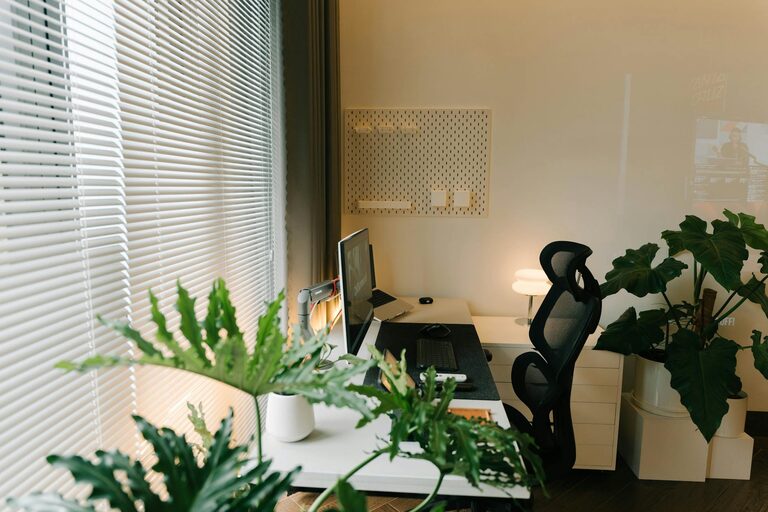
Tips for Creating a Cozy and Productive Home Office Space
Creating a cozy and productive home office space is essential…

Tips for Creating a Relaxing Home Workspace to Boost Productivity
Creating a relaxing home workspace is essential for maintaining productivity…

Simple Steps to Create a Cozy Reading Nook in Your Home
Creating a cozy reading nook in your home is a…